About
A science background that turned into operations, communication, and AI
I started college studying microbiology, drawn to healthcare and the idea of working on problems that actually affect people’s health. That scientific foundation, careful reasoning, testing assumptions against evidence, is still how I approach most problems, even ones that have nothing to do with a lab.
My first real work experience came through CSU Chico’s Basic Needs Center, first in the food pantry, then running social media and content strategy, then doing direct housing navigation with students. That’s where I learned that having good information isn’t enough. Somebody has to make sure it actually reaches the person who needs it, and can prove it’s working.
Leading Nu Alpha Kappa’s Theta Chapter pushed that further into operations and accountability. A five-member chapter with a multi-year deficit doesn’t get fixed by one good semester. It takes consistent systems: real budgeting, real recruitment follow-through, and policies people actually stick to. That experience is also what led directly into AI-assisted product work: once I’d built accountability systems for the chapter, I applied the same instinct to my own workload as president and used Claude Code to build the NAK President Command Center.
In parallel, I’ve been getting hands-on with how AI is actually used in healthcare through GenServe.AI’s Summer AI Scholars Program, contributing to a real, weekly healthcare AI newsletter. Between that and the dashboard project, my current direction is clear: healthcare and science as the foundation, operations and communication as the skill set, and AI-assisted technology as the newest tool I’m using to build real things, not just talk about them.
Outside of school and work, I run Faith In Potential, a faith-based content brand I’ve built independently to 139K followers, doing every part of the production myself. It’s a different kind of evidence for the same skill: building an audience and a system that actually holds up over time, without anyone assigning it to me.
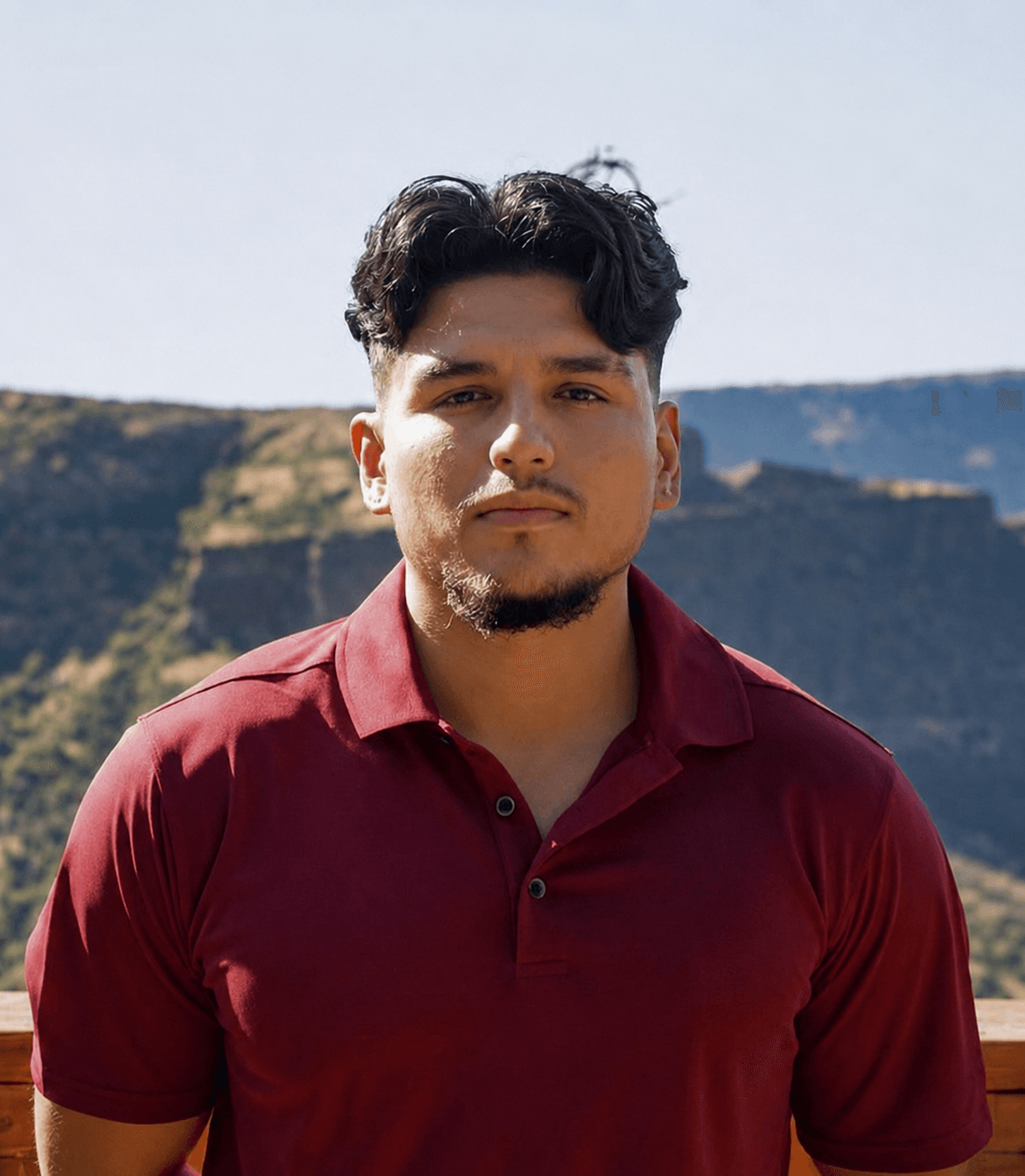
What I bring
How I actually work
Scientific and analytical thinking
A microbiology degree means I default to asking what the actual evidence shows, whether that's lab data, a lawsuit's credibility, or a month of social media analytics.
Clear communication
Whether it's a healthcare AI story for an executive audience or a housing resource for a stressed-out student, translating something complicated into something usable is the job.
Leadership under real constraints
Five members and a $3,000 deficit isn't a case study, it was the actual starting point. Leadership meant fixing the budget and the culture at the same time, with the people already in the room.
Resourcefulness
I didn't wait to be a trained software engineer before building a real tool. I used the tools available (Claude Code, a clear problem, and a willingness to troubleshoot) to ship something that works.
Practical AI adoption
GenServe.AI and the President Command Center are two different applications of the same instinct: AI is useful when a human still makes the final call, and I design for that on purpose.
Willingness to revise scope
The President Command Center started as a full chapter-management platform. I cut it back once I realized it had grown past the problem I actually needed to solve, rather than defending the bigger version out of momentum.